
Garage Door Maintenance in Charlotte, NC
Preventive garage door maintenance and tune-up services for Charlotte homes and businesses, with inspections, adjustments, lubrication, safety checks, and early wear detection.
Preventive Care That Catches Problems Early
A garage door can work normally for months while small signs of wear develop in the background. New sounds, rough movement, loose hardware, worn seals, or changes in how the door feels can all be reasons to have the system checked before a minor issue becomes more disruptive.
Our garage door maintenance in Charlotte focuses on preventive care for residential and commercial garage doors. A maintenance visit can include inspecting the door and its hardware, checking operation and safety components, making appropriate adjustments, and addressing routine lubrication needs.
Charlotte properties also have different maintenance considerations. An older garage door may have years of accumulated wear, while a newer system still benefits from regular inspection and proper care. The goal is not to follow the same routine for every door, but to evaluate the condition and use of the system.
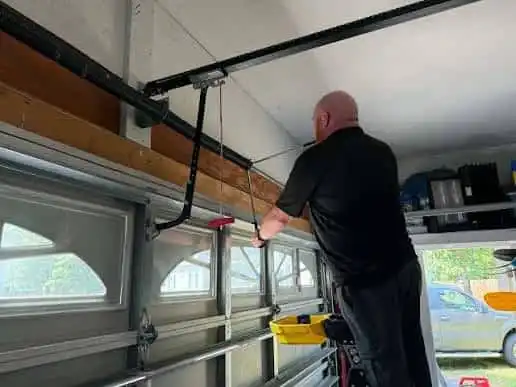
Preventive, Not One-Size-Fits-All
Every maintenance visit is based on the actual condition of your garage door — its age, usage, and exposure to Charlotte’s weather — not a generic checklist applied to every system the same way.
What Our Garage Door Maintenance Service Checks
A garage door tune-up is more than applying lubricant to a few moving parts. The system works through multiple connected components, so preventive maintenance should look at how those parts operate together.
Inspection & Condition Check
We look over the door, visible hardware, moving components, and overall operation for signs of wear, damage, looseness, or changes in performance.
Lubrication & Adjustment
Appropriate moving components can be checked for lubrication needs, while hardware or operating adjustments can be addressed when they are part of the maintenance service.
Balance & Movement
The way a garage door moves can reveal developing problems. We pay attention to balance, smooth travel, unusual resistance, and changes in normal operation.
Safety Systems
Maintenance also includes attention to the safety features that help the door respond properly, including the sensors and safety-reversal system.
Seals & Exterior Protection
Weather seals and other exposed areas can deteriorate over time. Checking their condition can help identify areas that may need attention before moisture and debris become a bigger concern.
Opener & Controls
The opener is part of the overall garage door system, so its basic operation, controls, and interaction with the door can also be checked during maintenance.
Why Regular Garage Door Maintenance Matters in Charlotte
Preventive maintenance is primarily about identifying changes before they become larger problems. Regular attention can help you:
Spot developing wear earlier
Keep the door operating more smoothly
Identify loose or deteriorating hardware
Check that safety components are responding correctly
Monitor seals exposed to weather
Notice changes in balance, noise, or movement
Decide whether a developing issue needs repair
Maintenance does not guarantee that a garage door will never need repairs. It gives the system a better chance of being evaluated while problems are still easier to identify and address. For Charlotte homeowners and businesses, that can be particularly useful when a garage door sees frequent daily use or has been exposed to changing outdoor conditions over time.
Charlotte Weather and Garage Door Maintenance
Charlotte’s heat, humidity, rainfall, and seasonal storms can all be part of the environment surrounding a garage door.
Heat
Periods of high temperatures can make changes in operation more noticeable on frequently used doors. Routine inspection provides an opportunity to check how the system is performing.
Humidity
Moisture exposure can affect exposed hardware and other exterior components over time. Maintenance can include checking those areas for visible deterioration.
Rain
Weather seals and the bottom seal help limit water and debris from entering around the door. Their condition is worth checking as part of routine care.
Storms
After significant weather, visible damage, unusual movement, or changes in operation are reasons to have the garage door evaluated before continuing normal use.
Seasonal Changes
Changes in temperature and weather throughout the year can coincide with changes in noise, movement, balance, or component behavior. Paying attention to those changes can help identify when maintenance is appropriate.
Charlotte’s climate does not create the same maintenance requirement for every garage door. The condition of the system, how it is used, and how exposed it is to the elements all matter.
Signs Your Charlotte Garage Door May Need a Tune-Up
You do not always need to wait for a component to fail before scheduling maintenance. Some signs that a garage door may benefit from a tune-up include:
New or Unusual Noise
Grinding, squeaking, rattling, clicking, or other sounds that were not previously present can be worth investigating.
Rough or Uneven Movement
If the door suddenly feels less smooth, hesitates during travel, or moves differently from normal, maintenance can help identify what has changed.
Excessive Vibration
A noticeable change in vibration can point to loose hardware, worn components, or another condition that deserves attention.
Visible Wear
Frayed, worn, loose, or deteriorating components should not simply be ignored because the door still works.
Changes in Balance or Feel
A door that feels heavier, behaves differently by hand, or no longer moves as it normally does may need a closer inspection.
Weather-Seal Wear
Cracked, compressed, damaged, or deteriorated seals can reduce the door’s ability to keep weather and debris out.
A tune-up is especially useful when something feels different but the exact cause is not obvious. The goal is to identify the change before it becomes a larger operational problem.
How Often Should You Schedule Garage Door Maintenance?
There is no single maintenance interval that fits every garage door. A practical schedule depends on several factors:
How Often the Door Is Used
A garage door that cycles many times each day generally receives more mechanical use than one that opens occasionally.
Age of the System
Older doors and components may need closer attention as normal wear accumulates.
Current Condition
Visible wear, new sounds, changes in balance, and operating changes can all influence when maintenance makes sense.
Environmental Exposure
Moisture, weather exposure, and seasonal conditions can affect how the system ages over time.
Residential vs. Commercial Use
Commercial doors can experience substantially more cycles than a typical residential garage, which can change the maintenance needs.
Maintenance History
A system that has been maintained regularly is different from one that has gone for years without inspection.
Following manufacturer guidance and paying attention to changes in operation can help determine the appropriate maintenance schedule for the specific door.
Residential and Commercial Garage Door Maintenance in Charlotte
Residential Garage Door Maintenance
For homeowners, routine maintenance can focus on smooth operation, noise, safety, hardware condition, seals, and the components used every day. Maintenance may be particularly useful for:
- Frequently used household doors
- Older garage-door systems
- Attached garages
- Doors developing new noise or vibration
- Systems exposed to weather on a regular basis
The purpose is to keep the door operating reliably and identify developing wear before it becomes more disruptive.
Commercial Garage Door Maintenance
Commercial garage doors can experience more frequent cycles and different operating demands than residential systems. Maintenance can focus on:
- Repeated daily use
- Hardware and component wear
- Smooth door operation
- Safety systems
- Opener performance
- Conditions that could interfere with business access
For a commercial property, preventive attention can help identify developing issues before they create avoidable operational disruption.
Maintenance for Older and Newer Garage Doors
A garage door’s age does not automatically determine its maintenance needs, but it can influence what deserves attention.
Older Garage Doors
Older systems may have more accumulated wear across rollers, hinges, hardware, seals, springs, cables, or opener components. A maintenance visit can help determine which parts remain in good condition and which deserve closer attention.
Newer Garage Doors
Newer doors still benefit from preventive care. Maintenance can help keep rollers, hardware, safety systems, seals, and opener operation in good working condition while making it easier to notice changes early.
In either case, the actual condition of the system matters more than age alone.
What Can You Check Yourself — and What Should a Technician Handle?
Some basic observations are reasonable for homeowners and property managers.
You Can Watch for:
- New or unusual sounds
- Visible wear or damage
- Changes in normal movement
- Deteriorating weather seals
- Sensor lights or obvious sensor issues
- Changes in remote or opener behavior
A Professional Should Handle:
- Spring and cable evaluation
- Detailed balance assessment
- Significant track or hardware adjustments
- Safety-system testing that requires technical evaluation
- Components under substantial tension
- Internal opener or electrical issues
The safest approach is to avoid forcing a door that is behaving differently and have the system evaluated when the cause is unclear.
Garage Door Maintenance Across Charlotte
We provide garage door maintenance and tune-up services throughout Charlotte and can serve customers across surrounding communities depending on location and service requirements.
Maintenance service can also extend to nearby communities such as Matthews, Huntersville, Pineville, and Mint Hill. If your property is outside these areas, contact our team to confirm availability.
Why Choose Us for Garage Door Maintenance in Charlotte?
Preventive maintenance works best when the entire garage-door system is considered rather than treating one symptom in isolation. Our approach focuses on:
Preventive service designed to identify developing wear
Residential and commercial maintenance for different usage patterns
Attention to safety components as part of routine service
Local Charlotte-area service for homeowners and businesses
Clear communication about what the system needs and why
Condition-based recommendations rather than assuming every garage door needs the same work
The goal is straightforward: keep the system operating properly, identify developing concerns, and recommend additional work only when the condition of the door supports it.
Garage Door Maintenance in Charlotte — FAQs
It can. Heat, humidity, rainfall, storms, and seasonal temperature changes can affect the conditions around a garage door. Weather exposure is one factor to consider alongside the door’s age, usage, and current condition.
New or unusual noises, rough movement, vibration, changes in balance, visible wear, deteriorating seals, or other changes from normal operation can all be reasons to schedule a maintenance inspection.
It can help when noise is related to conditions such as loose hardware, dry moving components, or certain types of wear. However, persistent or new noise may point to a component that needs repair or replacement rather than maintenance alone.
The home’s age itself is not the deciding factor, but older garage-door systems may have more accumulated wear. A technician can evaluate the condition of the existing components and identify what actually needs attention.
Frequency depends on the door, number of cycles, operating environment, condition, and maintenance history. High-use commercial systems generally deserve closer attention than lightly used residential doors, with the appropriate schedule based on the specific system.
Homeowners can watch for unusual sounds, visible wear, changes in movement, seal deterioration, and obvious sensor or opener issues. Work involving springs, cables, significant adjustments, or other high-tension components should be handled by a trained professional.